George Russell Dominates F1 2026 Australian GP: Mercedes' Strategic Masterclass in Melbourne
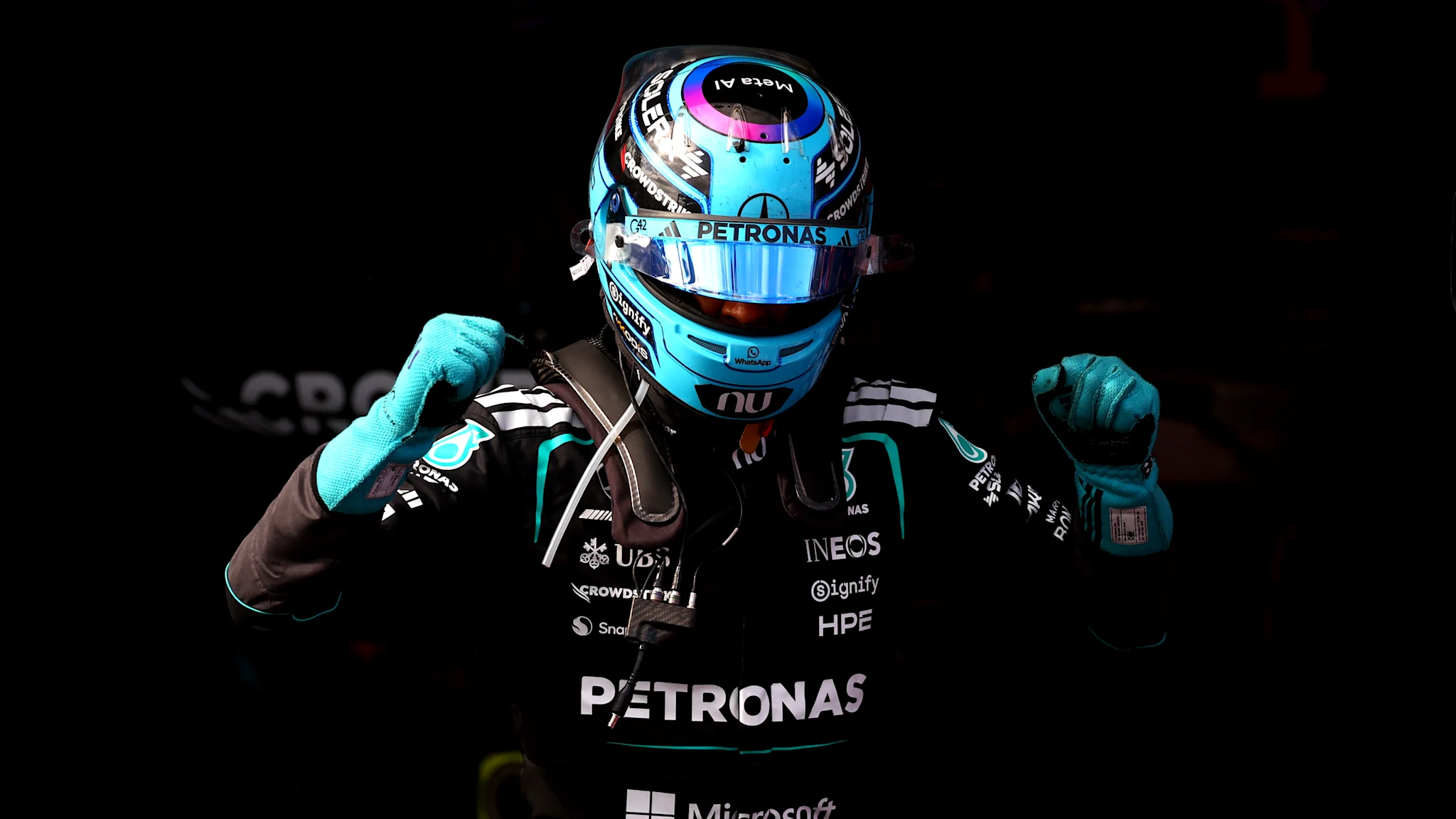
The highly anticipated F1 2026 season burst into life at the iconic Albert Park Circuit, delivering a captivating spectacle that saw George Russell clinch a sensational victory at the gp austrália 2026. In a race marked by dramatic lead changes, intense strategic battles, and the debut of Formula 1's new technical regulations, Mercedes AMG Petronas F1 Team showcased an emphatic one-two finish, positioning themselves as early title favourites. Russell led teammate Kimi Antonelli across the finish line, asserting their dominance in what promises to be a thrilling championship year.
A Grand Slam Start for Mercedes: Russell's Triumph in Melbourne
The season opener in Melbourne delivered on all its promises, especially for the Silver Arrows. George Russell, starting from pole position, faced an immediate challenge from the resurgent Ferraris. Charles Leclerc, alongside teammate Lewis Hamilton, demonstrated a blistering start, catapulting off the line from fourth and seventh respectively. The opening laps were a breathtaking display of wheel-to-wheel action, with Leclerc snatching the lead from Russell into Turn One. What followed was an astonishing seven lead changes between Russell and Leclerc within the first nine laps, a testament to the new regulations designed to promote closer racing and diverse energy-deployment strategies.
Russell's maturity and strategic prowess were evident as he navigated the tumultuous early phase. While Ferrari's raw pace off the line was undeniable, Mercedes demonstrated a more balanced package, allowing Russell to consistently challenge and reclaim track position. This gripping early duel set the tone for the entire 2026 Australian Grand Prix, keeping fans on the edge of their seats and highlighting the strategic depth required under the new rules. Mercedes' ability to maintain composure during this high-pressure period was a critical factor in their eventual success.
The Strategic Chess Match: VSC Drama and Ferrari's Missed Opportunity
The turning point of the gp austrália 2026 arrived on Lap 11 with the deployment of a Virtual Safety Car (VSC). Isack Hadjar's Red Bull suffered a mechanical failure on track, creating a golden window for teams to make a 'cheap' pit stop without losing significant time. Mercedes seized this opportunity decisively, pitting both George Russell and Kimi Antonelli for fresh hard compound tyres. This bold, proactive strategy proved to be a masterstroke, allowing them to gain considerable track position.
In stark contrast, Ferrari opted to keep Charles Leclerc and Lewis Hamilton out, a decision that would ultimately prove costly. While the rationale might have been to stretch tyre life or maintain track position in the short term, the advantage gained by Mercedes under the VSC was insurmountable. This pivotal moment underscores the critical importance of rapid, data-driven decision-making in modern Formula 1, especially under new regulations that emphasize energy management and strategic flexibility. Ferrari's inability to react swiftly under the VSC, unlike their rivals, undoubtedly compromised their chances of converting their early pace into victory.
Kimi Antonelli, despite a challenging start to the race, benefited immensely from the VSC strategy call. His recovery drive to secure second place alongside Russell cemented Mercedes' dominant one-two finish, marking an incredible debut for the young driver in a race of this magnitude. This result not only gives Mercedes a significant points haul but also sends a clear message about their championship intentions. To delve deeper into the strategic nuances of this critical period, you can read more about the F1 2026 Australian GP: VSC Drama Reshapes Melbourne Season Opener.
New Era, New Tactics: Energy Management and Thrilling Wheel-to-Wheel Action
The gp austrália 2026 served as the proving ground for Formula 1's new technical regulations, which heavily feature revised power unit configurations and refined aerodynamics, placing a greater emphasis on energy deployment and driver skill. The early exchanges between Russell and Leclerc were a perfect illustration of how these new rules can foster spectacular racing. Drivers are now presented with more options for managing their energy stores, leading to dynamic on-track battles where positions can be traded multiple times within a single lap. The "energy chess" anticipated by the regulation changes was certainly played out in Melbourne.
Teams spent significant time during the off-season refining their understanding of these new parameters. Mercedes' immediate success suggests they have a strong handle on optimizing their power unit's energy usage for both defensive and offensive manoeuvres. This understanding allows their drivers to exploit tyre deltas and deploy energy effectively, creating the thrilling overtakes witnessed throughout the race. The blend of traditional tyre strategy with advanced energy management makes the 2026 season incredibly exciting, adding layers of complexity for both engineers and drivers.
McLaren's Mixed Fortunes: Norris Fights, Piastri's Heartbreak
While Mercedes celebrated, it was a weekend of mixed emotions for the McLaren Mastercard Formula 1 Team at their home Grand Prix Australia 2026. Australian hero Oscar Piastri endured a heartbreaking start to his home race, crashing his McLaren on his first reconnaissance laps to the grid. This unfortunate incident meant Piastri was unable to feature in the race, a massive disappointment for the local fans and the team alike. It highlights the fine margins in F1, where a momentary lapse can end a weekend before it even begins.
Lando Norris, however, delivered a commendable performance under challenging circumstances, securing a hard-fought P5. Norris's race was a masterclass in resilience and strategic adaptability. Initially on a one-stop strategy, he cleverly undercut Arvid Lindblad during the early VSC period, swapping Medium for Hard tyres on Lap 11. Despite the pre-race expectation of energy use dominating overtaking, Norris utilized traditional tyre delta to work his way up the field. Later in the race, he switched back to Mediums on Lap 34, setting up a thrilling duel with Max Verstappen. Verstappen, on an opposite strategy, pushed Norris hard in the final stages, but the McLaren driver held firm, showcasing his defensive prowess and the team's ability to extract performance when it mattered.
Team Principal Andrea Stella acknowledged the significant gap to Mercedes and Ferrari, stating that "we have a lot of work to do to improve the car, to add more downforce and to extract more performance from the power unit." McLaren gathered crucial data from Norris's race, which will be vital for future learning and vehicle development in what promises to be a season of rapid development. For a deeper dive into Norris's incredible battle, explore Norris vs. Verstappen: McLaren's Fight in Challenging F1 2026 Australia GP.
Looking Ahead: Implications for the 2026 F1 Season
The 2026 F1 Australian Grand Prix has set a formidable benchmark for the season. Mercedes' commanding one-two finish, spearheaded by George Russell, immediately positions them as the team to beat. Their strategic acumen, combined with a strong car package and a talented driver lineup including the impressive Kimi Antonelli, suggests they are well-prepared for the new era of Formula 1. Russell's championship bid is unequivocally up and running, and the team will be brimming with confidence heading into the next round.
Ferrari's early pace was undeniably strong, indicating their potential, but their strategic misstep in Melbourne will be a crucial lesson for the season ahead. Red Bull, despite Isack Hadjar's unfortunate retirement, showed glimpses of their inherent pace through Verstappen's charge, suggesting they are still a formidable force. McLaren, while facing an uphill battle in terms of outright pace compared to the front-runners, demonstrated their fighting spirit and commitment to development. The season promises to be a continuous development race, with teams striving to unlock more performance from their new-generation cars.
As the F1 circus moves to Shanghai for the next race, the lessons learned at Albert Park will be invaluable. Teams will be scrutinizing every byte of data, adapting their strategies, and pushing the boundaries of vehicle development. The gp austrália 2026 has delivered a thrilling start, hinting at a season filled with unpredictable races, strategic gambles, and intense championship battles.